
News
Product updates and announcements.

September 23, 2026
Writing prompts that produce better 3D models
A good 3D prompt describes one object: its shape, its materials and its style. Here is a structure that works, what to leave out, and how to iterate without wasting credits.
Read article →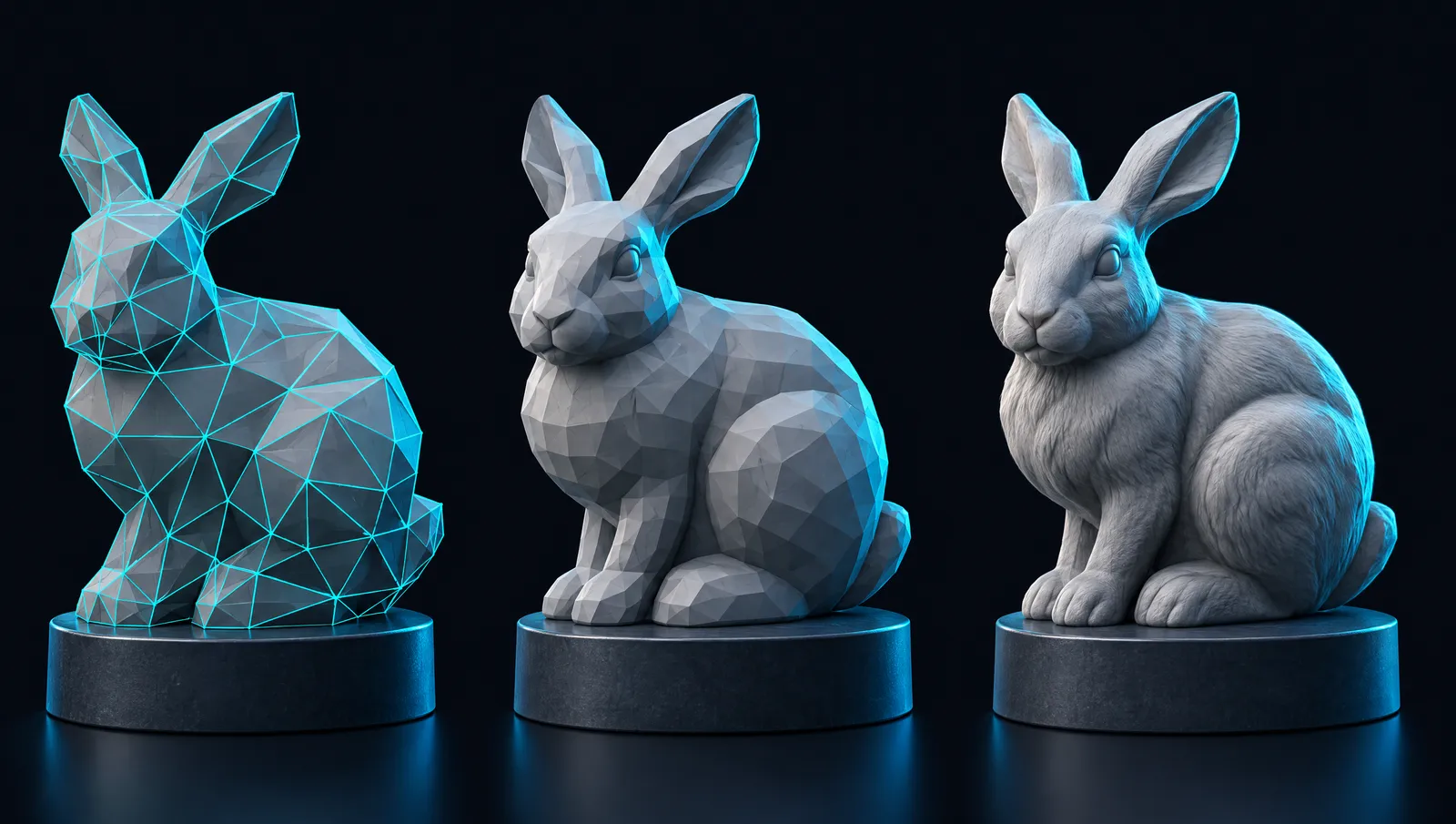
September 23, 2026
How many polygons does your model need?
Polycount is a budget, not a quality setting. Pick it from where the model will be used, keep detail in the normal map, and reduce later with retopology when you need to.
Read article →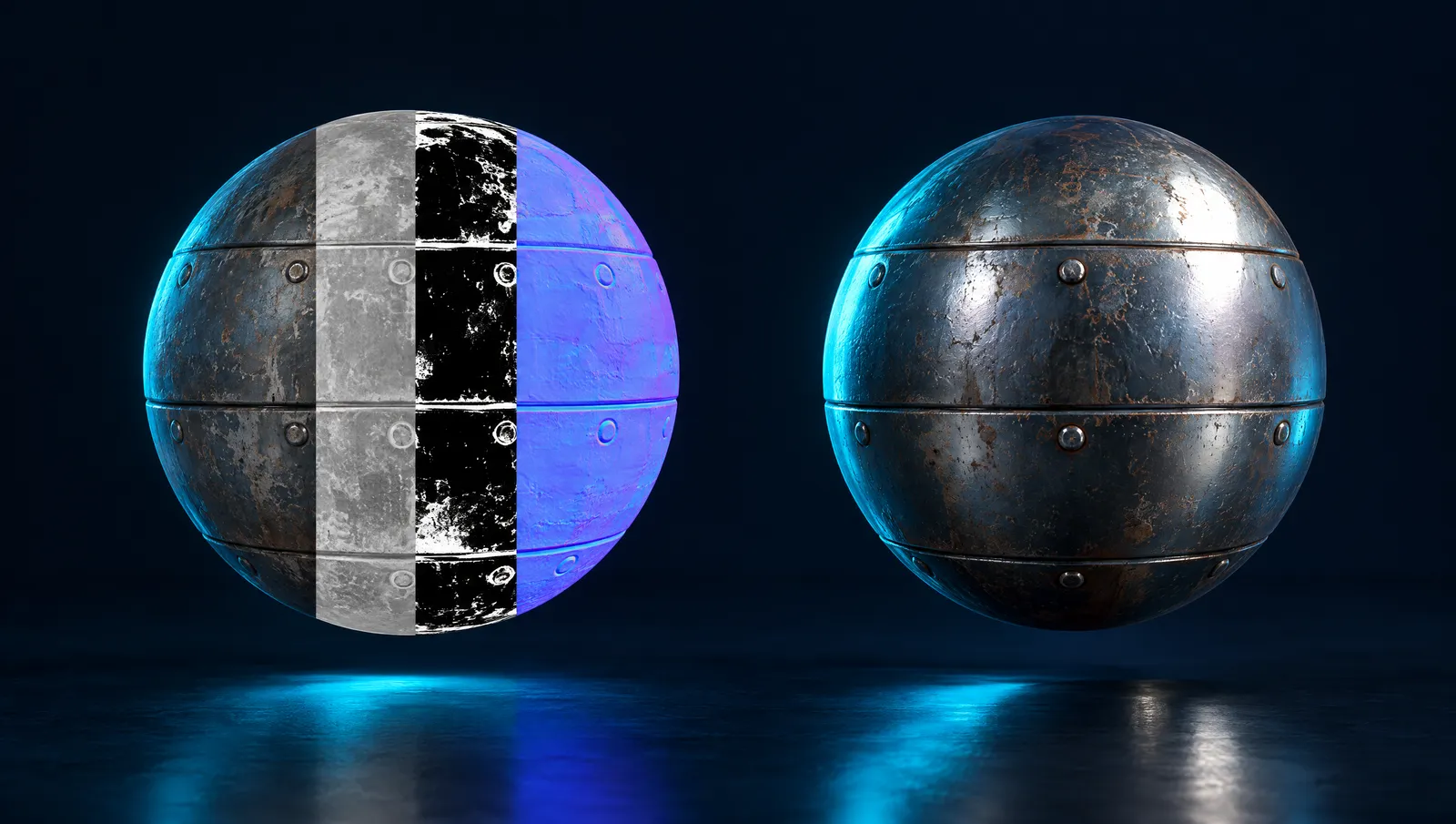
September 23, 2026
PBR textures explained: base colour, roughness, metalness, normal
What each PBR map does, why the metal/roughness workflow is the common standard, the mistakes that are easy to spot, and how to check every channel in the MeshForge viewer.
Read article →
September 23, 2026
Getting good results from image-to-3D
The reference image decides most of the result. What makes a good reference, how to shoot or prepare one, when to use multiple views, and how to fix the usual problems.
Read article →
September 23, 2026
GLB, FBX, OBJ, USDZ or STL — which format should you download?
A practical guide to the five export formats: what each one stores, which tools expect it, and why GLB is the safe default.
Read article →
September 23, 2026
From static mesh to animated character: rigging basics
What a rig is, how skin weights work, which models can be rigged automatically, how preset animations work in MeshForge, and how to prepare a character that rigs cleanly.
Read article →
September 23, 2026
What retopology is and when you need it
Generated and scanned meshes are dense and irregular. Retopology rebuilds them into clean, lighter geometry that engines, animators and artists can work with — here is when it is worth it and how to do it.
Read article →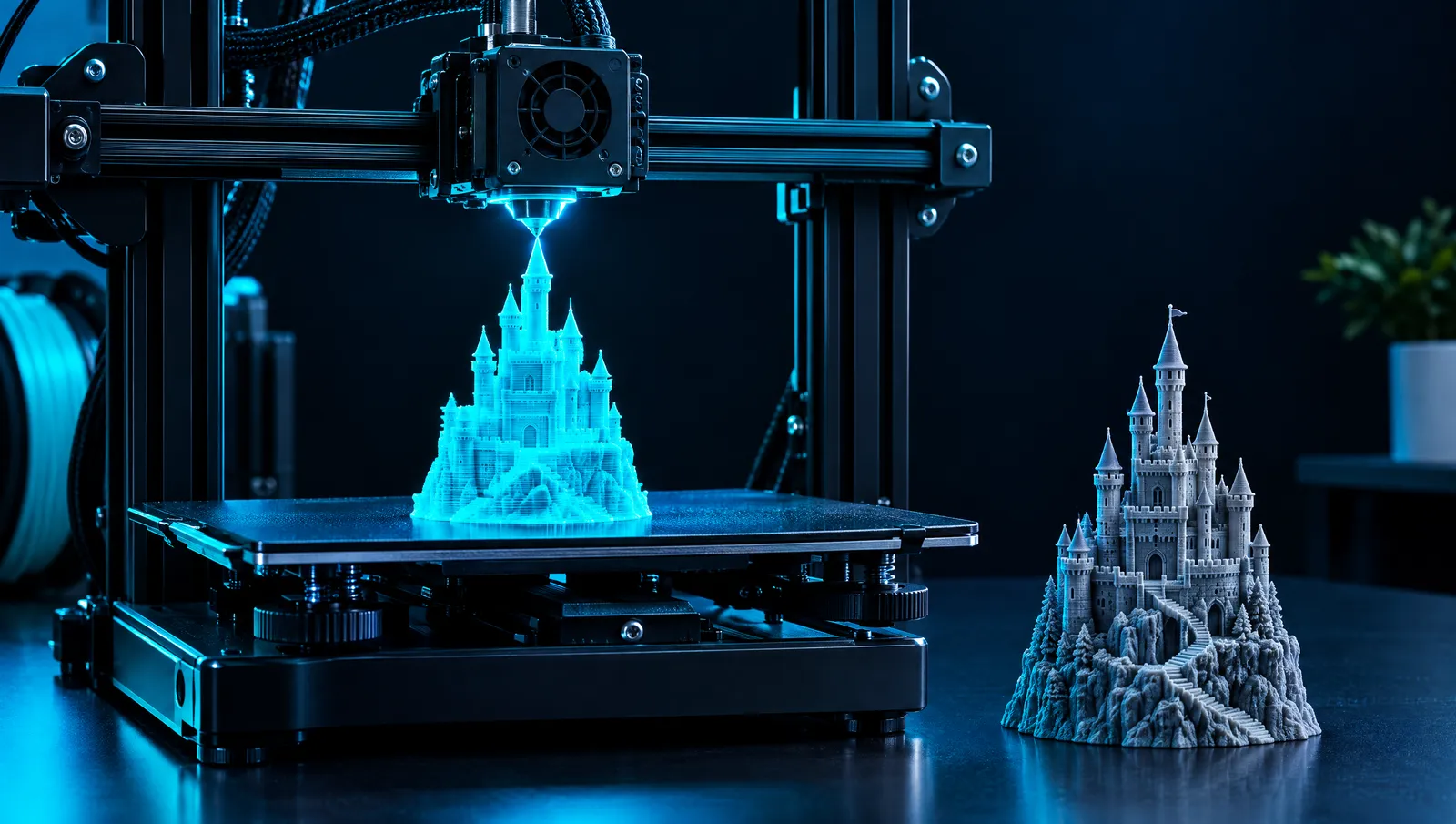
September 23, 2026
Preparing a generated model for 3D printing
From STL download to a clean print: scale, repair, wall thickness, orientation and supports, plus a short, factual guide to well-known FDM and resin printers and the slicers that drive them.
Read article →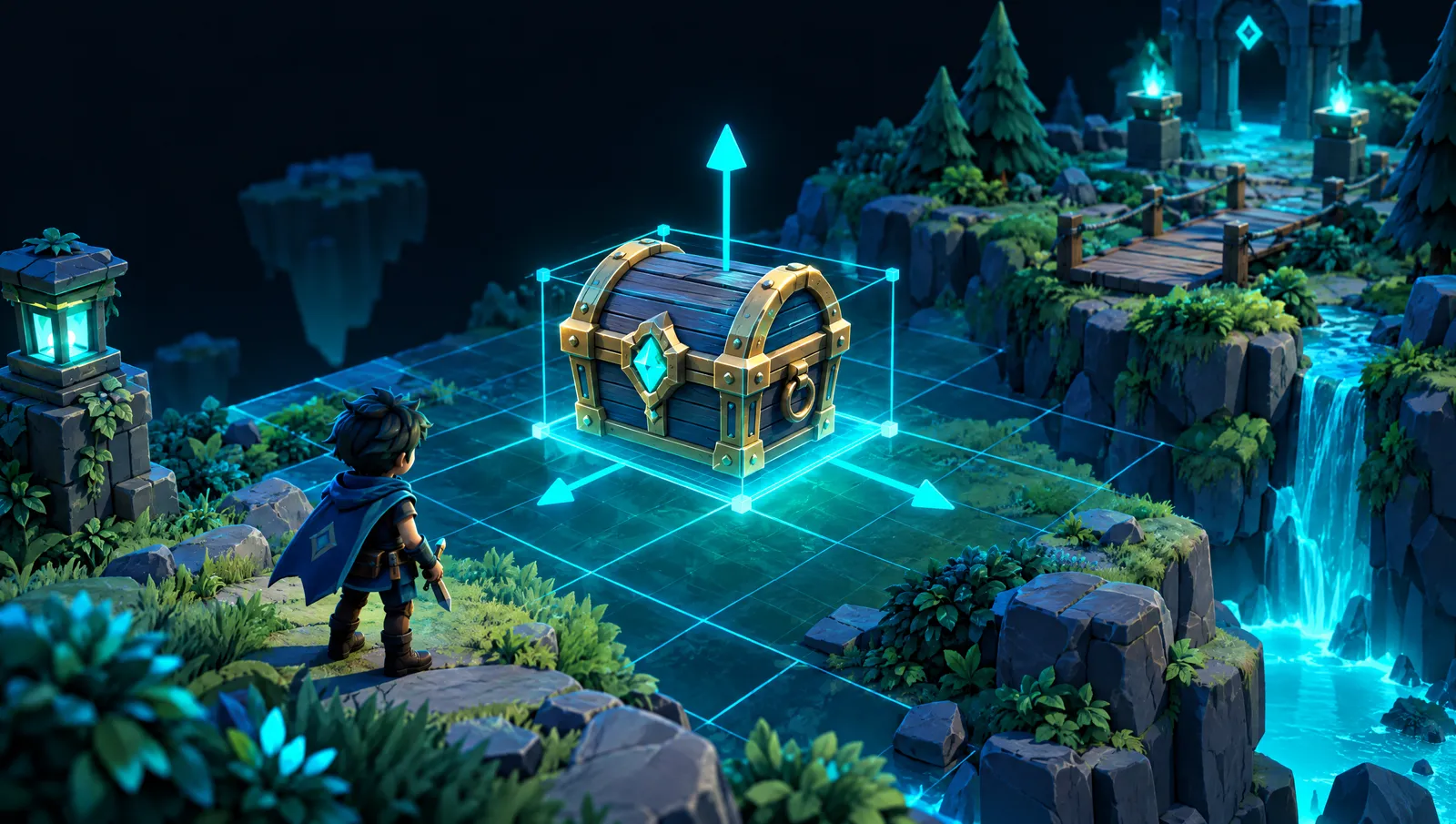
September 23, 2026
Bringing MeshForge models into Unity, Unreal and Godot
Which format to pick for each engine, the import settings that usually matter, and a pre-flight checklist so generated models behave like any other game asset.
Read article →
September 23, 2026
How MeshForge credits work
One credit is €0.05. Every step shows its price before you start, you only pay what a job actually used, and packs, daily deals and the Pro plan change how much you get for your money.
Read article →
September 23, 2026
Generating 3D models from your own code
The MeshForge REST API lets you start generations, stream progress over server-sent events and download results. A walkthrough from API key to finished file, with the limits and error handling you need.
Read article →
September 23, 2026
Sharing, publishing and remixing models
Publish a model to the public gallery, share a link that previews properly, remix someone else’s settings, sell on the marketplace, and report anything that should not be there.
Read article →